Which Calls Should a BPO Automate First?
Every client now asks its BPO about AI. The risky answers are “everything” and “not yet”. The useful answer names one topic, puts a number on it that the client can check, and explains how the agent will be tested before it speaks to a customer.
Here is a way to get to that answer from the calls you already handle.
Start with what repeats
Automation pays where the same request arrives again and again and your team resolves it the same way each time. You do not need a workshop to find those topics. They are in your conversations.
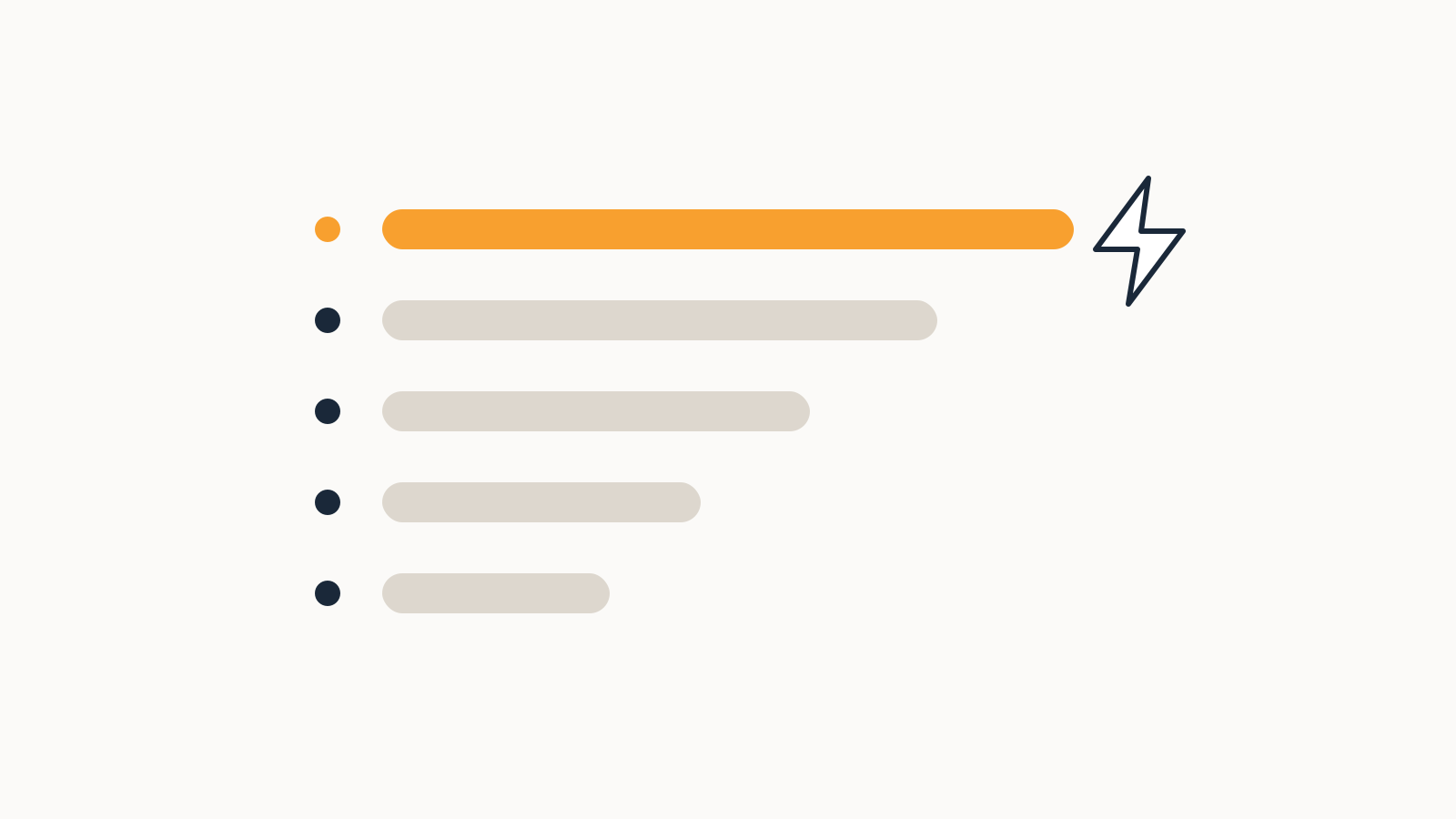
Rank the topics for one client by volume, then look at how your people resolve each of them today: how many steps, which systems, how often the customer has to call back. The topics near the top of the list that are also resolved in a few predictable steps are your candidates.
Put a number on it the client can check
The estimate does not need to be clever. It needs to be checkable:
savings = resolved without a human × your cost per contact
Be conservative with the first term. Not every conversation in a topic will be resolved by an agent, and a client who is promised too much in the first month will not trust the second number you give them.
Choose a topic with a clear ending
Good first topics have an obvious finish line: a status is given, a booking is made, a detail is changed. The agent either completed it or handed it over, and anyone can tell which.
Poor first topics are the ones where the customer is upset or the outcome depends on judgement: complaints, disputes, anything a supervisor would normally be asked about. Leave those with your people, and give your people more time for them.
Build the agent from how your people do it
The best description of how to handle a topic is not a process document. It is the calls where your team handled it well. In Intella Studio, the way your team resolves a topic becomes a draft agent: the tasks it performs, the channels it works on, and the gaps in the knowledge it would need.
Because analytics and AI agents sit in one product, nothing has to be exported or rebuilt in another vendor’s tool to get from “this is worth automating” to a draft you can test.
Prove it before it takes a call
A client will ask how you know the agent is ready. Have an answer that does not depend on a demo.
- Check it against past conversations. Run the agent on real conversations from that topic and see where it would have answered correctly and where it would not.
- Grade it on the same standard as your people. If your agents are scored against a scorecard, the AI agent should be too.
- Show the client. Share the results before go-live, including what it got wrong and what you changed.
Keep people in reach
An agent that cannot help should hand over, with the transcript and a summary, so the customer does not repeat themselves. And your team should be able to take over a live conversation and hand it back when the difficult part is done.
This is where a BPO has an advantage over a software vendor: you already have the people. An AI agent backed by a trained team is a better offer than an AI agent alone.
Agree how you will measure it
- How many conversations the agent resolved without a human
- Customer satisfaction on those conversations
- The questions it could not answer, and what was fixed
- What automation has returned so far, against what it cost
Report these to the client in the same place as their other results, with usage shown for that client. Automation changes what a BPO bills for, and that conversation goes better when both sides are looking at the same numbers.
See Automation Opportunities in Intella Studio, or estimate the return for one client.